Why fabric choice matters in bedding
Bedding is more than a decorative layer. It is a daily interface with our body, regulating temperature, wicking moisture, and shaping the texture we interact with every night. The fibers, the weave, and the finish together form a dialogue between climate, physiology, and ritual. The right fabric makes sleep feel effortless; the wrong one, a reminder that comfort is a negotiated condition rather than a given.
The journey begins with understanding core materials — cotton, wool, silk, and linen — and then considers blends that marry the best traits of each. Alongside this, the ecosystem of certifications and sustainability signals — OEKO-TEX, GOTS, RDS — translates into real-world performance: fewer irritants against the skin, more responsible production, and a calmer mind about what lies beneath the duvet.
Cotton: the versatile staple
Cotton is the most familiar fabric in bedding, prized for softness, breathability, and ease. It performs across seasons because the fiber can hold heat when needed or release it as temperatures rise. The two most common weaves in bedding are percale and sateen, each delivering a distinct hand and drape.
- Cotton percale: a crisp, cool feel with a matte finish. The weave is a balanced, basket-like structure that promotes air flow, making it a favored choice for hot sleepers or those who prefer a fresh, paper-soft touch.
- Cotton sateen: a smoother, more luxurious drape with a subtle sheen. The satin-like surface traps warmth a touch more, which some sleepers appreciate in cooler rooms or during winter months.
- Thread count and weight: modestly higher thread counts in cotton can indicate a denser weave, but fabric hand and ply construction matter just as much as the numbers alone. In practice, a well-made 300–400 thread-count cotton sateen can feel indulgent, while a crisp 200–300 thread-count percale can feel astonishingly light and breathable.
Certification and raw material sourcing influence cotton’s performance. Organic cotton, for example, signals a different agricultural footprint, and fabrics bearing OEKO-TEX or GOTS credentials bolster confidence about chemical safety and environmental responsibility. When cotton is blended with synthetics or other fibers, the resulting fabric can offer durable wrinkle resistance or enhanced stretch, but it may trade off some breathability. The key is to match the blend to your climate, skin sensitivity, and care preferences.
Wool: warmth with natural regulation
Wool stands apart in bedding for its intrinsic moisture management and temperature regulation. Sheep’s wool fibers can absorb significant moisture without feeling damp, while retaining warmth when the air turns chilly. The result is a fabric that adapts to changing conditions so you don’t feel either clammy or chilled — an especially welcome trait for seasonal transitions or bedrooms with variable heat sources.
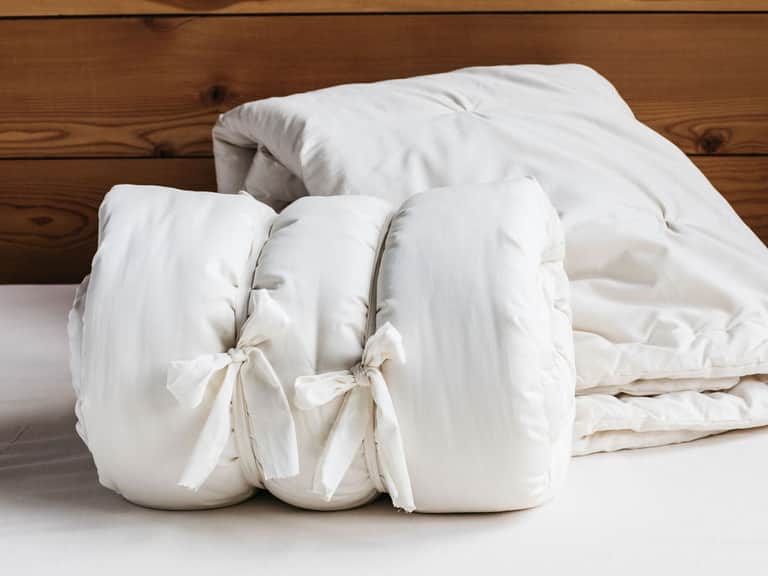
When wool is used in comforters or blankets, it is often housed in a breathable cotton or cotton-sateen shell to maximize loft and comfort. The fiber’s natural odor resistance and resilience contribute to a long-lasting feel, and carefully constructed wool bedding can be machine washable in some varieties, though many recommend spot cleaning and air-drying to preserve loft.
Silk: lightness, drape, and temperature balance
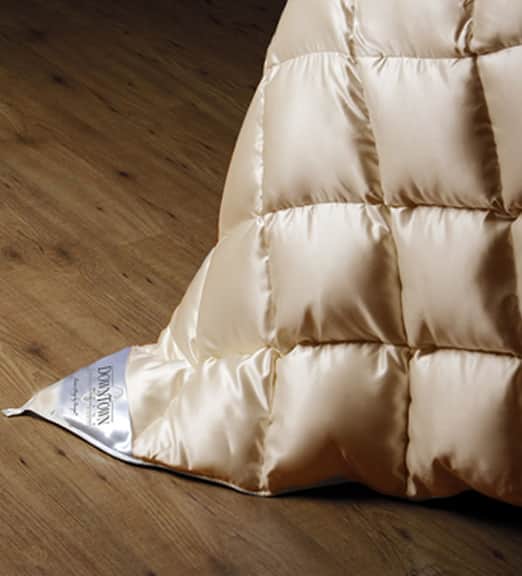
Silk is celebrated for its smooth hand, hypoallergenic potential, and exceptional warmth-to-weight ratio. In bedding, silk fills or silk-filled comforters combine a delicate loft with robust temperature management. The fiber structure traps air, offering a breathable layer that can feel both feather-light and reassuringly warm in winter.
Silk’s care regime is a bit more nuanced than cotton or wool. Some silk-filled comforters are designed for washable use, while others are labeled dry-clean only or spot-clean friendly. The shell quality — often a cotton sateen weave — also shapes the final touch and durability. For sleepers with sensitive skin or chemical sensitivities, silk’s natural properties can be particularly appealing, provided the construction uses certified, safe fibers.
Linen: cool resilience for warm climates
Linen, made from flax fibers, is inherently breathable and moisture-wicking. It’s a fabric that loves warmth while keeping you cool, thanks to its high heat conductivity and open weave. Linen bedding often presents a relaxed, lived-in texture that softens with every wash, becoming more comfortable over time.
Because linen fibers are relatively stiff when new, mature linen bedding can feel crisper, then yield to a more fluid drape as it softens. Linen’s durability and environmental durability have made it a favorite among sustainability-conscious households, though it can be pricier and require particular care to maintain its texture and color.
Blends: balancing traits for daily life
Real-world bedrooms rarely rely on a single fiber. Blends — such as cotton-polyester, wool-cotton, or silk-cotton — aim to capture specific advantages: improved wrinkle resistance, enhanced durability, easier care, or a particular hand. Blends can offer a pragmatic bridge between luxury and practicality, but they also require careful care guidance to maintain the intended balance of comfort and performance.
When evaluating blends, consider the proportion of each fiber and how it aligns with your climate and routine. An 80/20 cotton-polyester blend, for example, might resist wrinkling and wear well in a busy household, yet it could feel less breathable than a pure cotton option. The best approach is to test, observe, and adjust with season and wear.
Certifications and what they mean in practice
Certifications function as practical signals of safety and responsibility. OEKO-TEX Standard 100, for instance, tests textiles for harmful substances, offering reassurance about skin compatibility. GOTS (Global Organic Textile Standard) covers both organic fiber content and social and environmental criteria across the supply chain. RDS (Responsible Down Standard) addresses humane down supply, ensuring high welfare standards for geese or ducks.
In bedding, these labels translate into tangible benefits: fewer irritants that could cause skin discomfort or allergy flare-ups, greater transparency about where materials originate, and a higher likelihood that the product has undergone conscientious processing. The practical consequence is a more confident purchase and a sleep space aligned with personal values.
Care as part of the design
Caring for bedding is a form of maintenance that respects the material’s natural tendencies. Cotton generally tolerates regular washing, but percale and sateen finishes respond differently to heat and agitation. Wool deserves gentler handling: some pieces are machine washable in special cycles, while others thrive with air-drying and periodic sun refresh. Silk requires careful attention to avoid harsh detergents and excessive heat, preserving luster and loft.
Practically, care guidance often boils down to a few universal rules: use appropriate washing cycles, choose detergents that suit the fiber, avoid bleach unless specified safe, and give fabrics time to dry fully to prevent clumping or mildew. Regularly airing bedding, rotating weights in multi-weight sets, and using duvet covers as protective layers can extend the life of any fabric system.
A quick, practical guide to selecting and caring for bedding materials
- If you sleep hot or prefer a crisper feel, start with cotton percale or a lightweight cotton blend, then consider a cooler-season option for winter.
- If you want natural warmth and moisture management, consider wool with a breathable shell, paying attention to care instructions for washing and loft preservation.
- For a light, premium feel and temperature regulation, silk can be transformative, but confirm care requirements and whether the silk fill is combined with a durable shell that suits your needs.
- When climates shift between seasons, blends or modular layering (multiple weights) can deliver year-round comfort without committing to a single temperature setting.
In choosing fabrics, look beyond the surface texture. Ask about the weave, thread structure, and weight per square meter. Consider how the fabric will interact with your bed’s temperature, humidity, and the bedding system you already own. And always review certifications — they are practical signposts that you are investing in textiles that meet recognized safety and sustainability standards.